
Basement Flood Prevention

Course Description
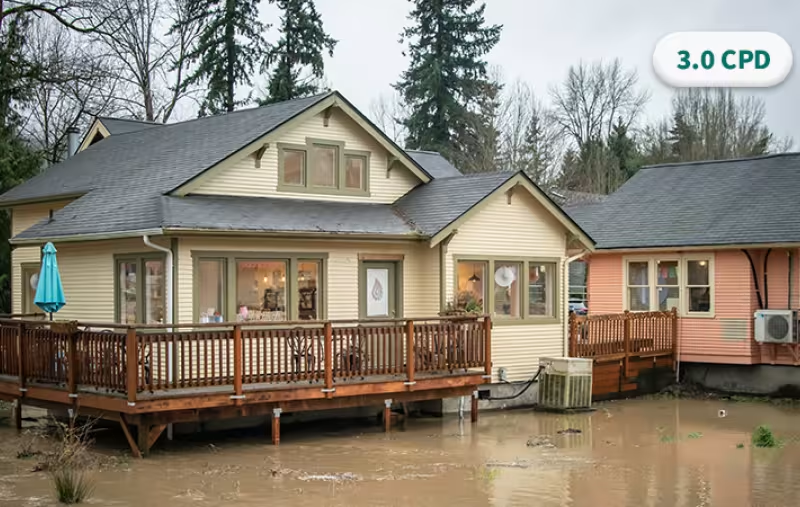
Flooding can come from many different sources: a river spilling its banks, a sewer backing-up, or extreme rainfall overwhelming storm drains. The result is water, often contaminated, being directed to where it can damage structures and infrastructure. This includes damage to building interiors, electrical works and landscaping. Flooding can also have a significant negative impact on the well-being of residents.
Climate change is expected to increase the frequency and magnitude of flood events. While it’s not possible to completely avoid some of the negative effects, we can anticipate and reduce the impact by designing and building homes to be more for flood resilient.
This webinar addresses:
- Existing programs and guidelines
- Areas of B.C. mapped as floodplains
- Urban flooding
- How to assess a proposed or existing residence for flood risk
- Designing and building for flood resiliency
- The “Build Back Better” philosophy
This is a recorded webinar converted to online. The focus is on cost-effective home flood prevention for Part 9 buildings and offer an introduction to BC Housing’s new Builder Guide to Site and Foundation Drainage.
Presenters

Diane Meehan, E.I.T.
Diane Meehan has been with Horizon Engineering since graduating from UBC Civil Engineering in 2015. She has experience in geotechnical engineering including stormwater management design, drainage remediation, soil gas management, excavation shoring, foundation design, and field reviews during construction.

Karen Savage, P.Eng., FEC
Karen Savage has provided geotechnical engineering services for over three decades, specializing in foundations, excavations, stormwater management, and LEED projects.